
Many pet owners turn on calming music after their dog is already panicking. Blasting soothing tones during a thunderstorm or fireworks is a common mistake. Doing so can actually make an adult dog’s anxiety worse by pairing the sound with fear.
To make sound therapy work for an adult dog, we have to treat it like biology. The secret lies in classical conditioning. We must teach their brain that the sound means safety, before the scary event happens.
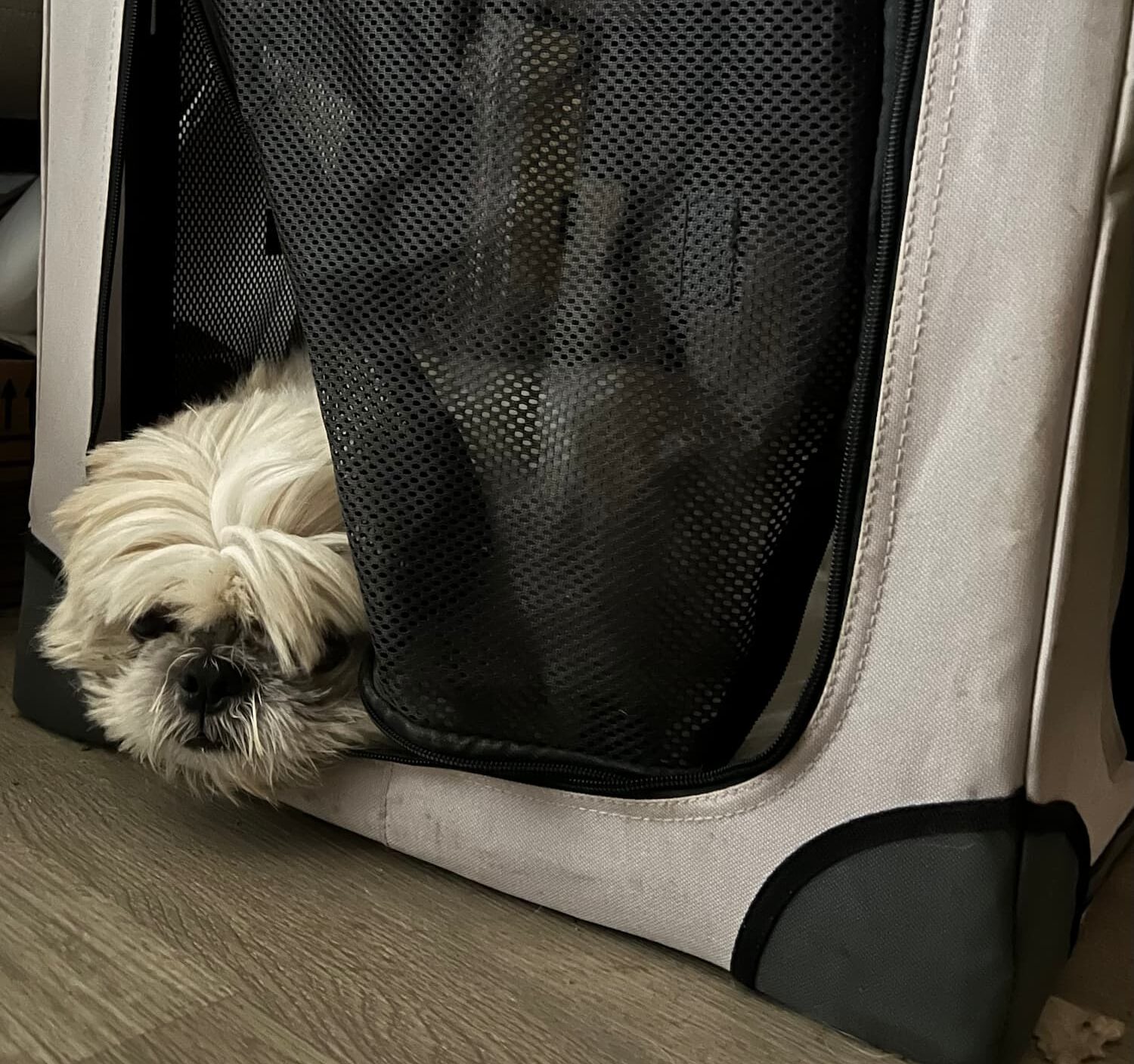
🧠The Adult Brain: Unlearning Bad Associations
Anxious or reactive adult dogs already have neural pathways that trigger survival mode. When an adult dog is terrified, they cannot learn new, positive habits. If you introduce a brand-new sound during a panic attack, the dog’s brain connects that specific frequency directly to their panic.
Our goal with adult dogs is to build fresh “neural real estate.” We want to teach the dog’s brain that this specific audio background means the current environment is completely safe.
Over time, the brain learns it can safely filter out stressful outside triggers and focus on resting.

🔄The Adult Implementation: Passive Pairing
Because adult dogs carry behavioral history, the experience must be entirely passive and free of potential pressure.
Capture Natural Calm: Wait until your adult dog has already chosen to settle down on their bed or in a favorite resting spot. Don’t encourage or force them there.
Low and Slow Volume: Play your chosen tonal frequencies or psychoacoustic music barely above a whisper. High volume can trigger vigilance in a reactive dog.
Remove All Demands: Don’t pair the sound with active training, treats, or intense attention, at first. The goal is pure, quiet habituation while the brain is naturally recharging.
Keep Sessions Short: Start with just 10 to 15 minutes of background playback while your dog rests, repeating daily at the same time to build a predictable routine.
💡QUICK TIP FOR OWNERS: Avoid searching for generic phrases like “calming music for dogs” on YouTube. You will mostly get human pop music. Instead, type in “Canine Psychoacoustic Music” or “Species-Specific Dog Therapy 432Hz” to find scientifically structured tracks that work.
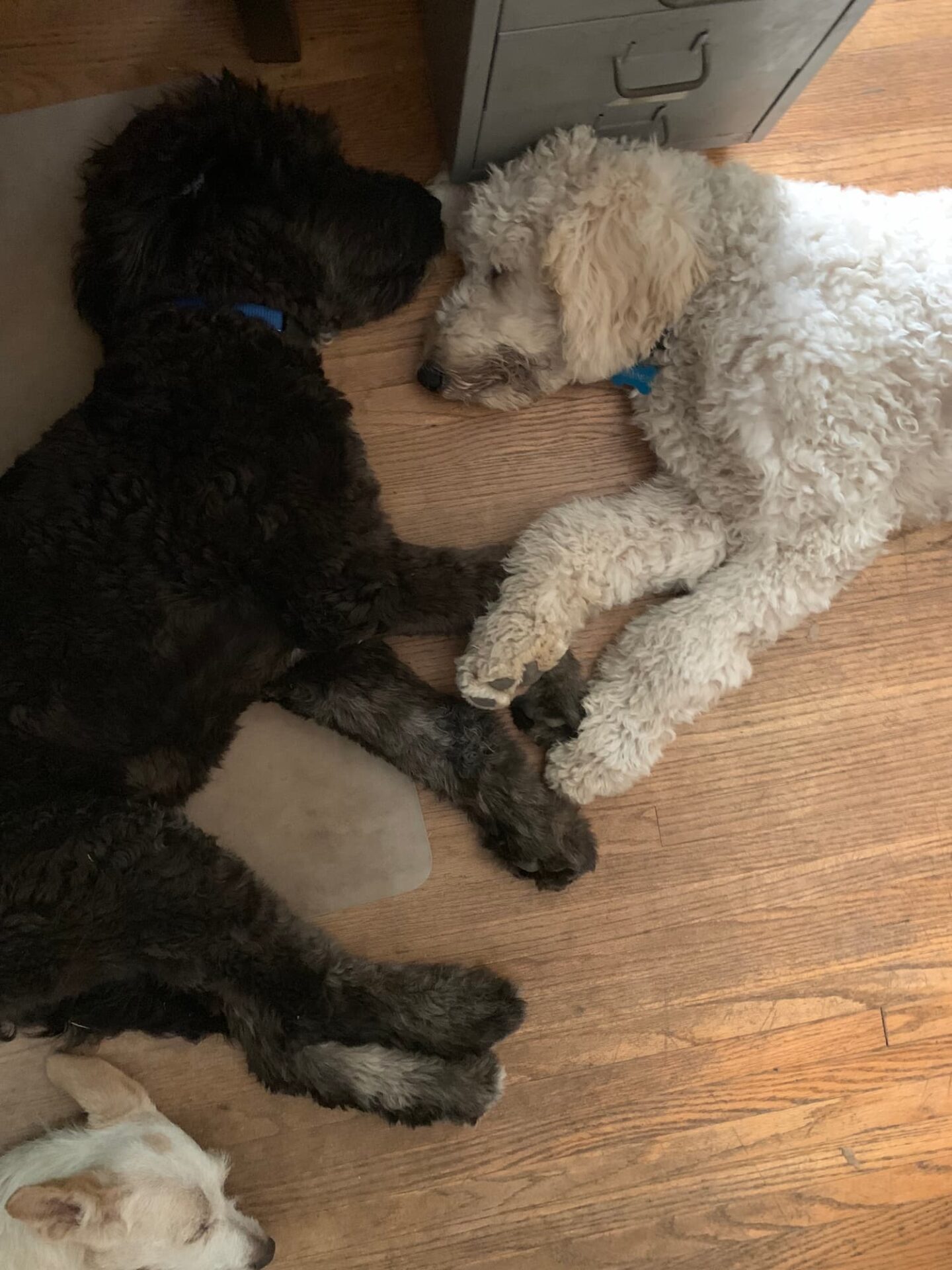
🌩 Shielding Against Real Triggers
Once your adult dog has built a strong, automatic connection between the sound and a relaxed body state, you can use it as a real shielding tool. Turn on the conditioned sound therapy before a known trigger begins. The familiar tones signal to the brain that
the immediate room is still a safe space, blocking out the scary background noise outside.🎛
Recommended Sound Tools & Tonal Playlists
To get the best results, use music from the Canine Psychoacoustic genre. These tracks are stripped of complex, high-pitched arrangements that overwhelm sensitive ears.
Target Frequencies
528 Hz (Solfeggio Scale): Known for deep emotional grounding. It helps soothe deep seated panic during sudden noises like fireworks.
432 Hz: A grounding tone that slows a racing nervous system and promotes deep physical rest.
20 Hz – 50 Hz (Low Bass Tones): Deep, steady tones that mirror a mother dog’s
heartbeat.
Top Recommended Tools & Playlists
Through a Dog’s Ear / iCalmPet (Spotify/YouTube): Albums like Calm Your Canine feature solo piano arrangements clinically proven to reduce shelter and household anxiety by simplifying classical music down to a steady, slow pace.
Winter Park Paws – “Peaceful Pooch” (YouTube): A fantastic resource for 432 Hz Dog Calming Relaxation Music. These videos offer hours of continuous, pure tonal streaming that are perfect for passive pairing during daily naps.
Sound Oasis Pet Bluetooth Sound Machine: A portable device available on Amazon, at Best Buy and other retailers. This device features 20 built-in, doctor-composed tracks. It uses deep bass to naturally mask terrifying noises.